Best Pillow for Neck Pain: A Practical Buyer's Guide
How pillow loft, fill, and sleep position affect neck pain — and what to look for when you shop.
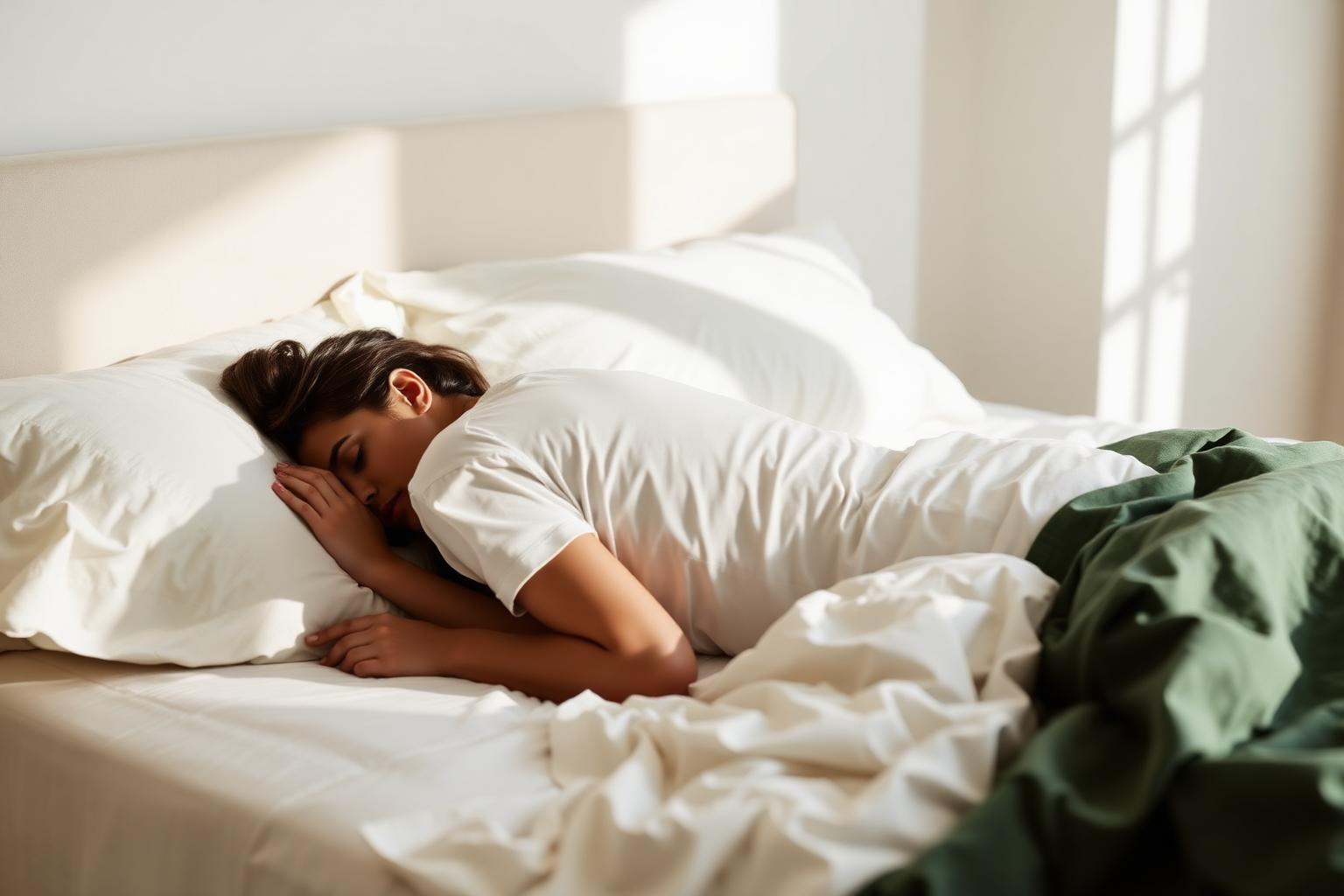
If you wake up with a stiff neck, the pillow is often the culprit. A pillow that's too high or too low forces your neck into an unnatural angle for hours at a time, which strains muscles, compresses joints, and can trigger headaches that last into the day.
The right pillow keeps your head, neck, and spine in a straight line from the side, and supports the natural cervical curve from the back. Here's how to find it.
Match loft to sleep position
- Side sleepers need the highest loft — enough to fill the gap between the shoulder and the side of the head. Usually 4 to 6 inches.
- Back sleepers need a medium loft that supports the neck curve without pushing the head forward. Usually 3 to 5 inches.
- Stomach sleepers need the lowest loft, ideally a thin, almost flat pillow, to avoid craning the neck backward.
Choose the right fill

Memory foam pillows offer consistent support and contouring, but they can sleep warm and feel too dense for some people. Latex pillows are more responsive and breathable, with a slightly bouncier feel. Down and down-alternative pillows are soft and adjustable but tend to flatten out and need frequent fluffing.
Shredded foam or latex pillows are a popular middle ground: you can remove or add fill to dial in the exact loft and firmness you need.
When to replace your pillow
Pillows break down faster than mattresses. Memory foam pillows last 2 to 3 years. Down and synthetic fills often flatten within 12 to 18 months. If your pillow has a permanent indent, lumps, or yellowing, it's time to replace it.
Pillow pairings that help
Some people benefit from a small lumbar or knee pillow in addition to a head pillow. Side sleepers often place a pillow between the knees to keep the hips aligned. Back sleepers may put a thin pillow under the knees to reduce lower-back strain. These small adjustments reduce the load on the neck and upper back.
Supportive pillows for every sleep position
Shop the Bio Aloe Pillow