Best Cooling Mattress for Hot Sleepers (2026)
What actually makes a mattress sleep cool — materials, airflow, and construction — plus how to choose one that won't trap heat.
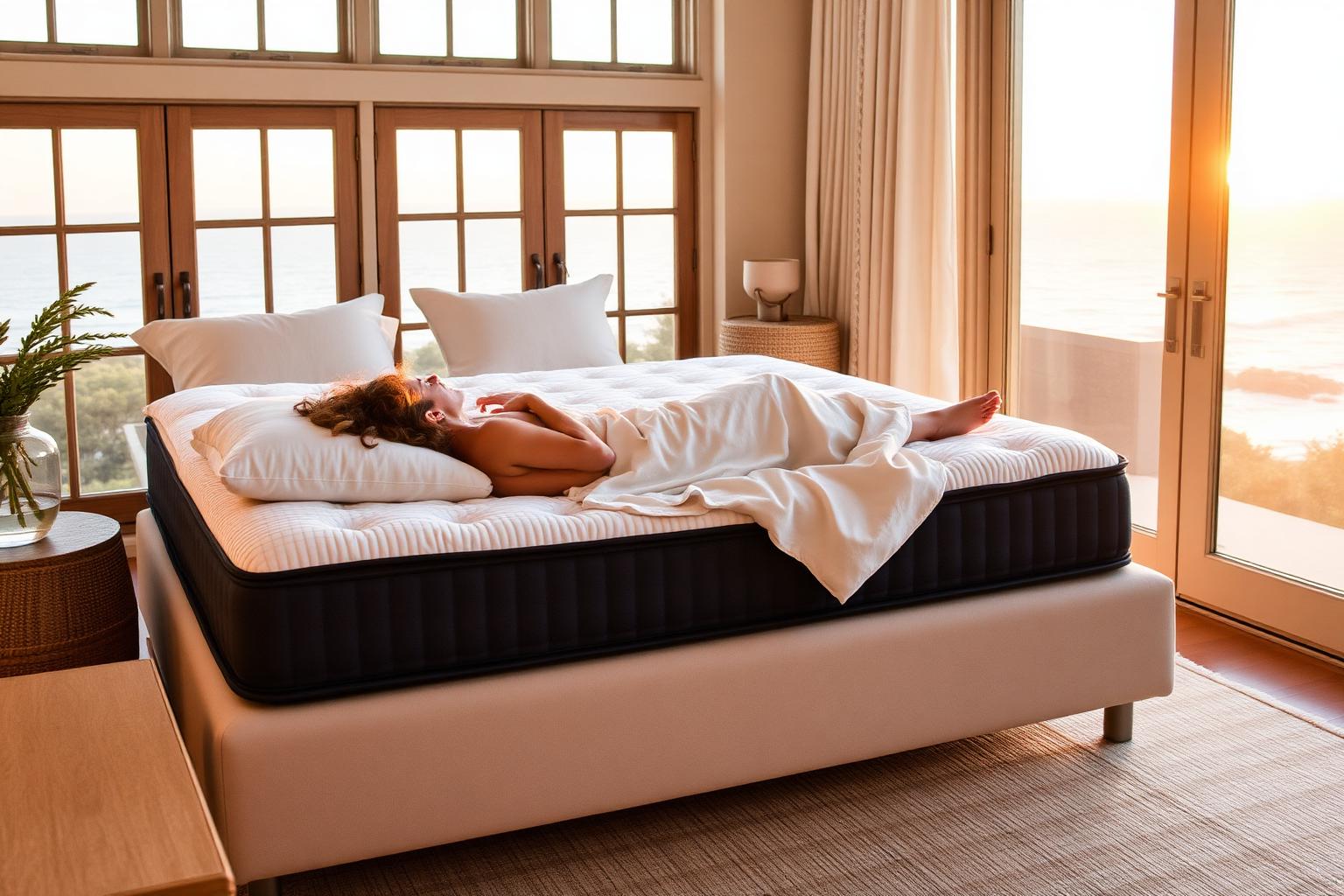
If you wake up sweaty, kick the covers off at 2 a.m., or flip your pillow looking for the cool side, you're not alone. Roughly 40% of adults report sleeping too hot at least occasionally, and for some people it's a nightly problem that wrecks deep sleep. The mattress underneath you is one of the biggest variables in that equation, and unfortunately the marketing around 'cooling' mattresses is some of the most inflated in the sleep industry.
This guide cuts through the buzzwords. We'll explain what actually makes a mattress sleep cool, which materials move heat away from your body, and how to tell whether a 'cooling' claim is real or just a gel-infused marketing sticker.
Why mattresses trap heat
Your body temperature naturally drops by one to two degrees as you fall asleep, and it stays lower through the night. A surface that insulates too well blocks that drop. Memory foam is the classic offender: it's dense, closed-cell, and conforms tightly to your body, which reduces airflow and traps the heat you radiate. The result is a warm pocket around your torso that gets worse as the night goes on.
Heat isn't just about comfort. Elevated skin temperature and sweating fragment sleep, reduce time spent in deep and REM stages, and can trigger wake-ups that you won't remember but that leave you groggy the next day.
Materials that actually sleep cool

- Coils: the open structure of a spring system lets air move through the mattress. Hybrid and innerspring beds sleep cooler than all-foam by default.
- Latex: naturally breathable and responsive. It doesn't hug the body as closely as memory foam, so heat has room to dissipate.
- Gel-infused foam: helps, but only modestly. Gel absorbs heat initially, then releases it back once it reaches body temperature. It's a temporary fix, not a cooling system.
- Plant-based or open-cell foams: more porous than traditional memory foam, so they breathe better.
- Natural fibers in the cover: organic cotton, wool, and Tencel wick moisture and allow airflow across the surface.
What to look for in a cooling mattress
Start with construction. A hybrid with a coil core and a breathable comfort layer is the safest cooling choice for most hot sleepers. Avoid thick, dense memory-foam-only beds unless they have a proven open-cell formulation and a breathable cover.
Look at the cover. A quilted cotton or Tencel cover with wool batting pulls moisture away from the skin and lets air pass through. Synthetic, tightly woven covers tend to trap humidity.
Check the firmness, too. You sink deeper into a soft mattress, which means more of your body is surrounded by foam and less is exposed to air. A slightly firmer surface can sleep cooler because your body stays more on top of the bed.
Don't forget the environment
No mattress can overcome a 75-degree bedroom. The ideal sleep temperature is roughly 65 to 68 degrees Fahrenheit. Pair a breathable mattress with lightweight bedding — linen, percale cotton, or Tencel — and avoid heavy comforters unless your room is genuinely cold.
Built with breathable latex and coils
Shop the Linden mattress